Bombycina
Ikeana
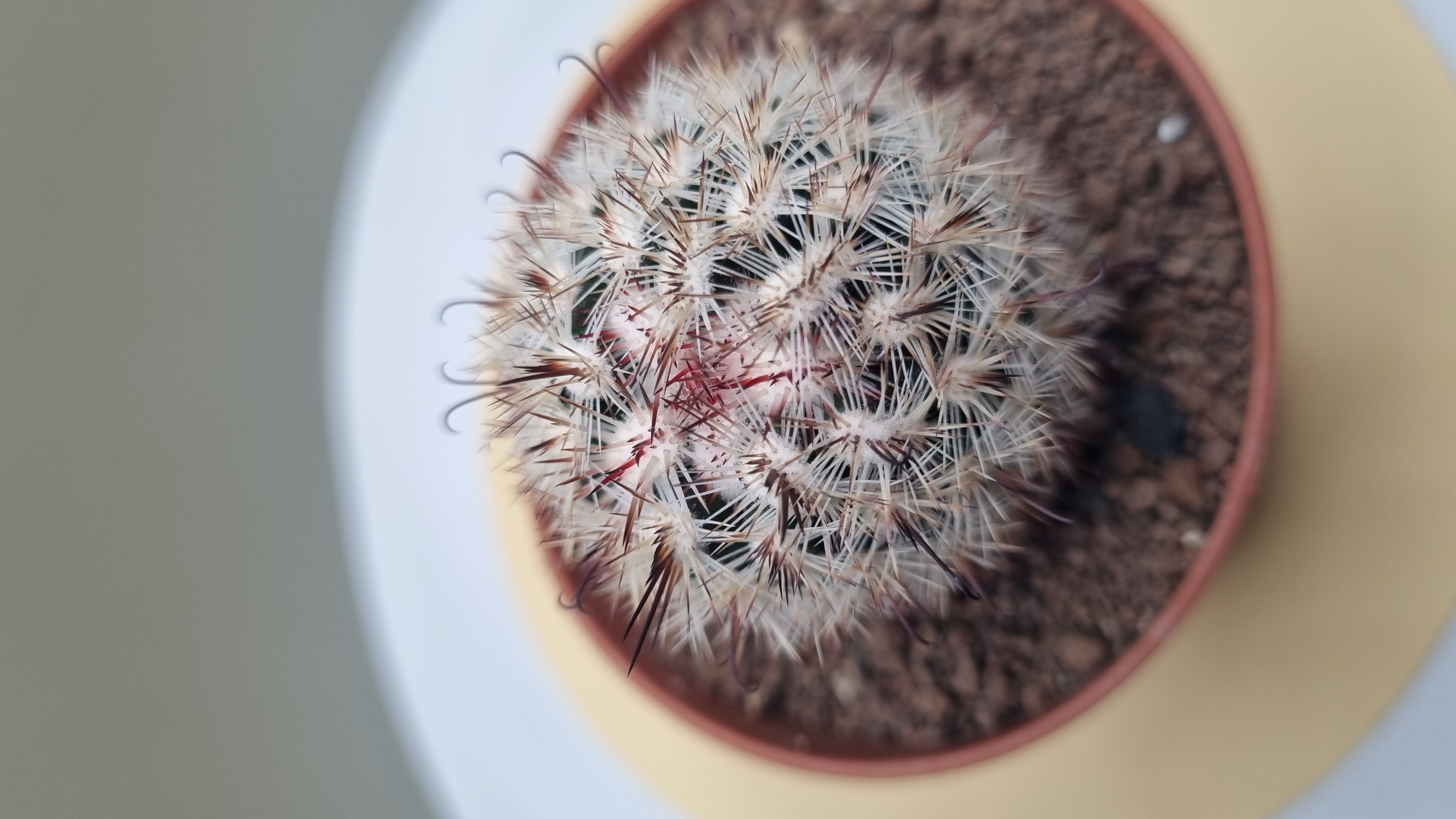
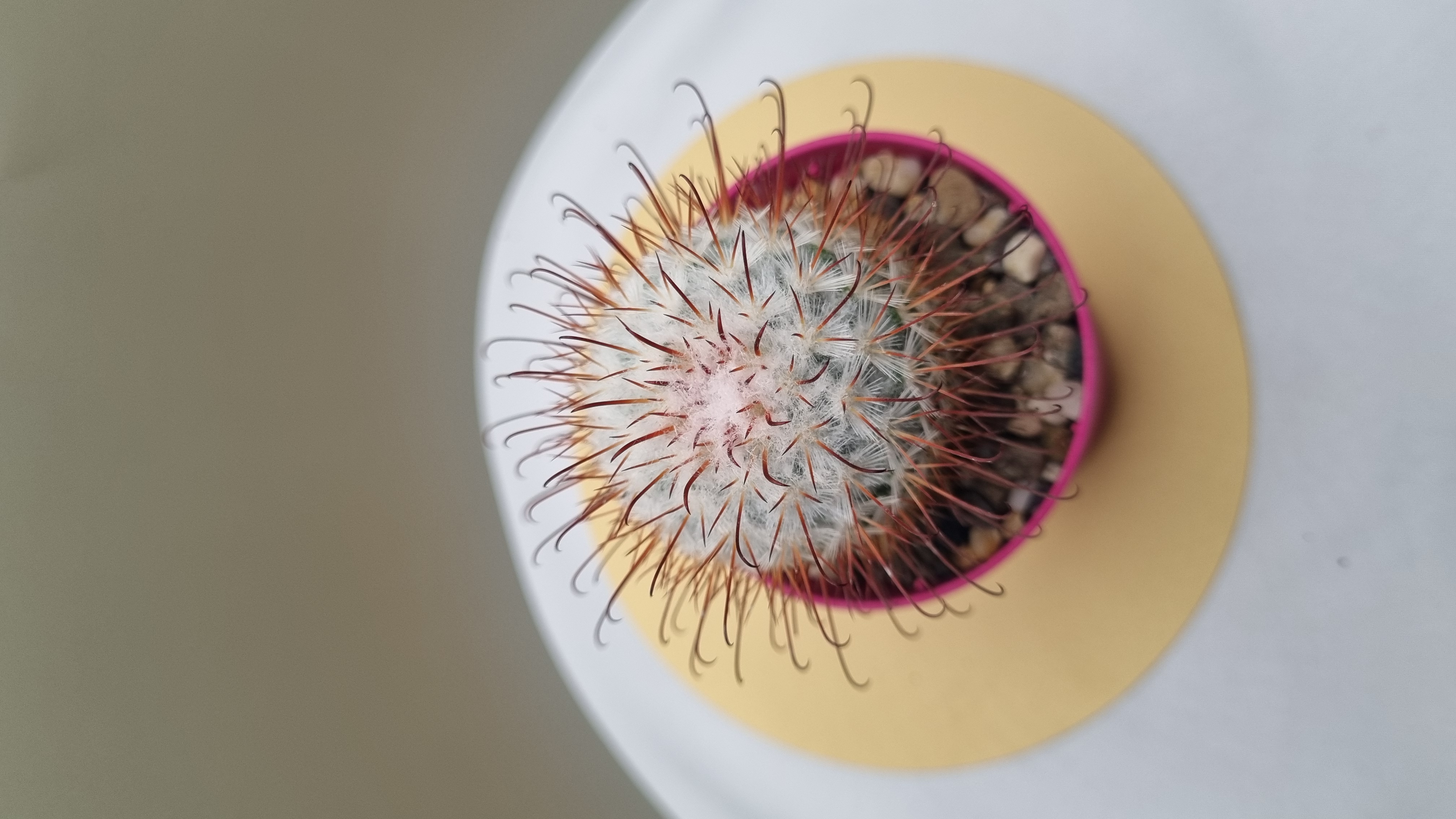
Mammillaria is one of my favorite genera. Bombycina is common, but its dense white spines, hooked centrals, soft wool and generous flowers keep drawing me back.
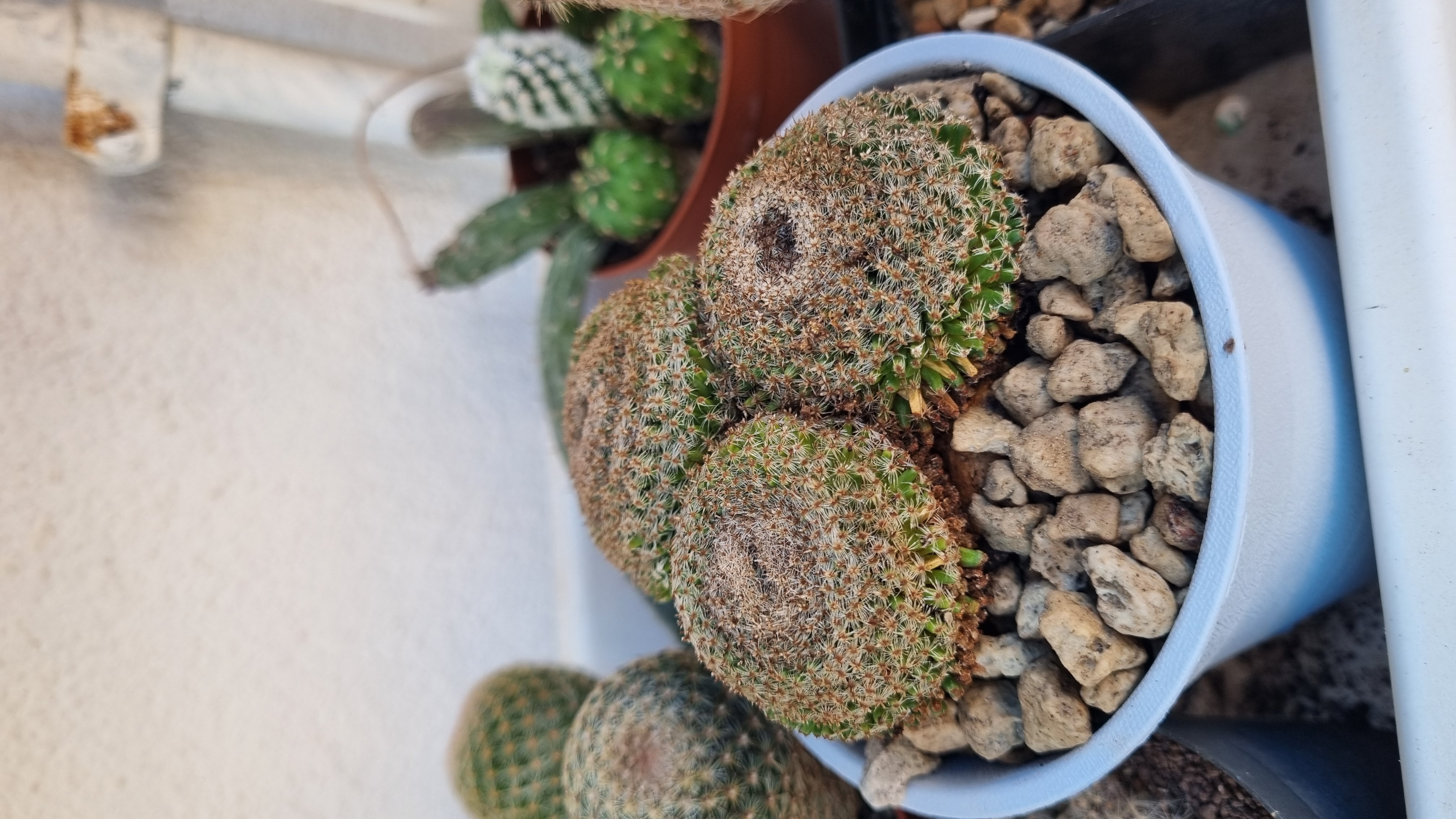
I found three little seedlings together in a pot at IKEA in 2024. I wanted to save them, bring them on and see how close I could get their growing conditions to a dry, stony habitat. I named this plant Bombycina Ikeana. “Ikeana” is my collection name for this individual, not a registered cultivar. It is about four years old now.
It has spent its life in a very bright spot with strong UV, a mineral mix and very little water. It put on a little growth before winter. I’ll keep growing it hard. I like the compact look, and especially the dense coat of spines and wool. The species can flower generously; I’m looking forward to seeing what this one does.
Mammillaria bombycina entered botanical literature in 1910, when German cactus specialist Leopold Quehl published the name in Monatsschrift für Kakteenkunde. The epithet bombycina evokes silk—a good fit for the fine, pale radial spines and soft wool.
Quehl’s description was based on plants raised from material introduced by De Laet. The original locality was recorded only as “Mexico,” and later accounts gave different states. A 1992 field report revisited the uncertainty. Kew’s Plants of the World Online now records the species from southwest Aguascalientes and northeast Jalisco.