A life already
in progress.
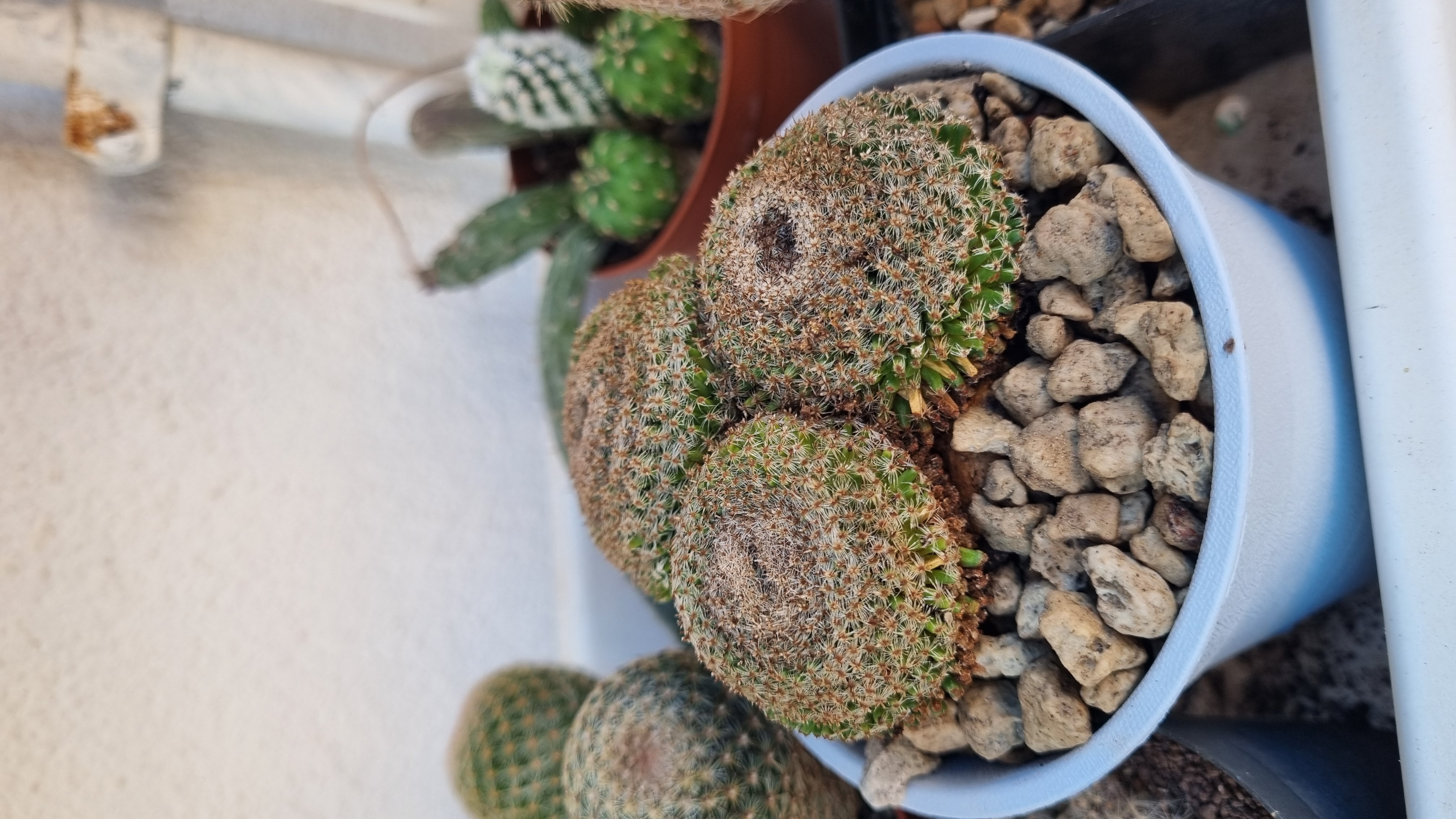
I acquired this established cluster from Grossi Francesco Floricola in 2026. From its growth, I estimate it was at least five years old; its earlier years are unrecorded.
I acquired this plant from Grossi Francesco Floricola in 2026. It was already a substantial, many-headed plant. I estimate it to be at least five years old from its size and growth, but that is my impression—not a nursery record or known sowing date. The passport begins where its traceable history begins: with my acquisition.
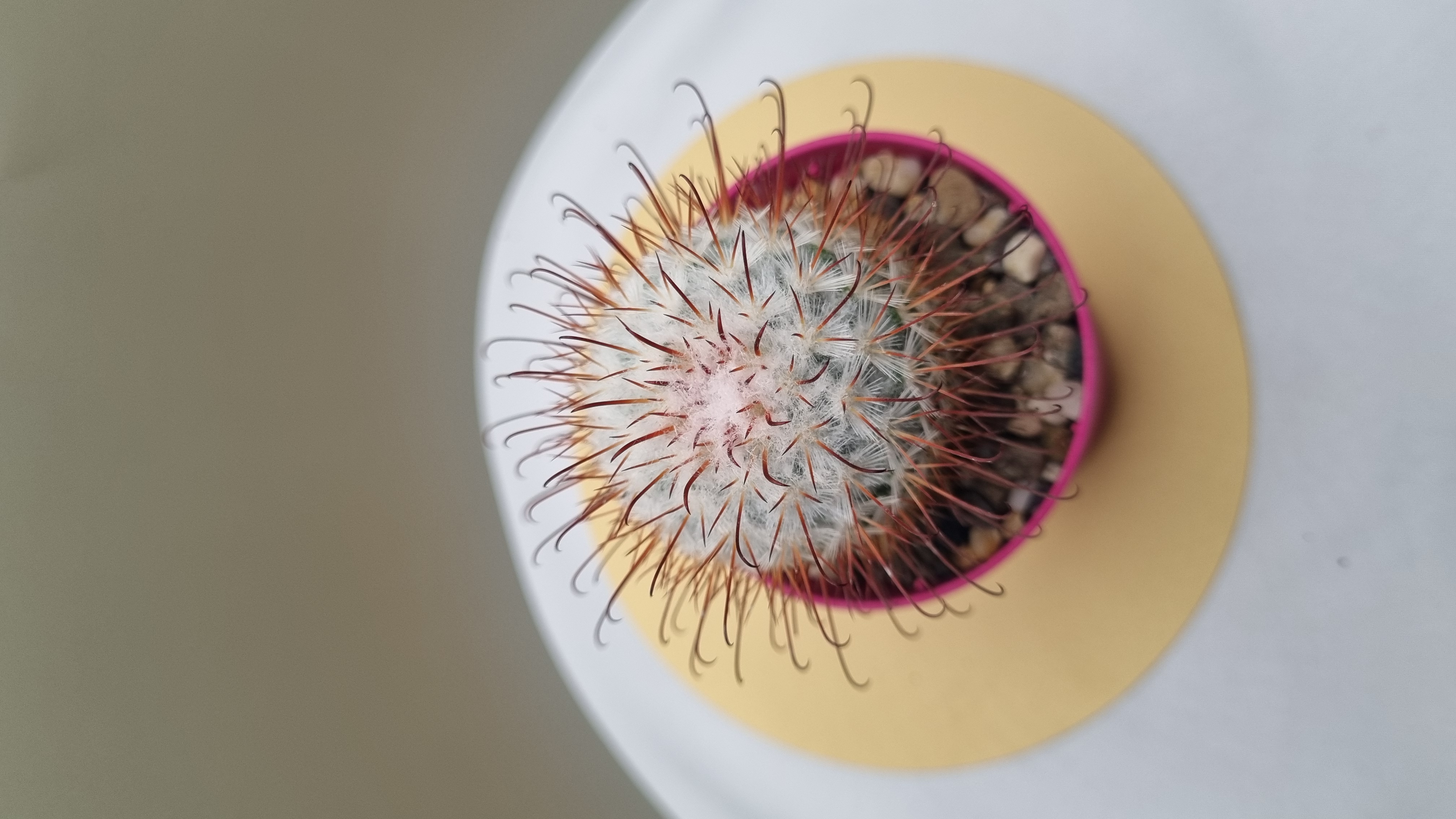
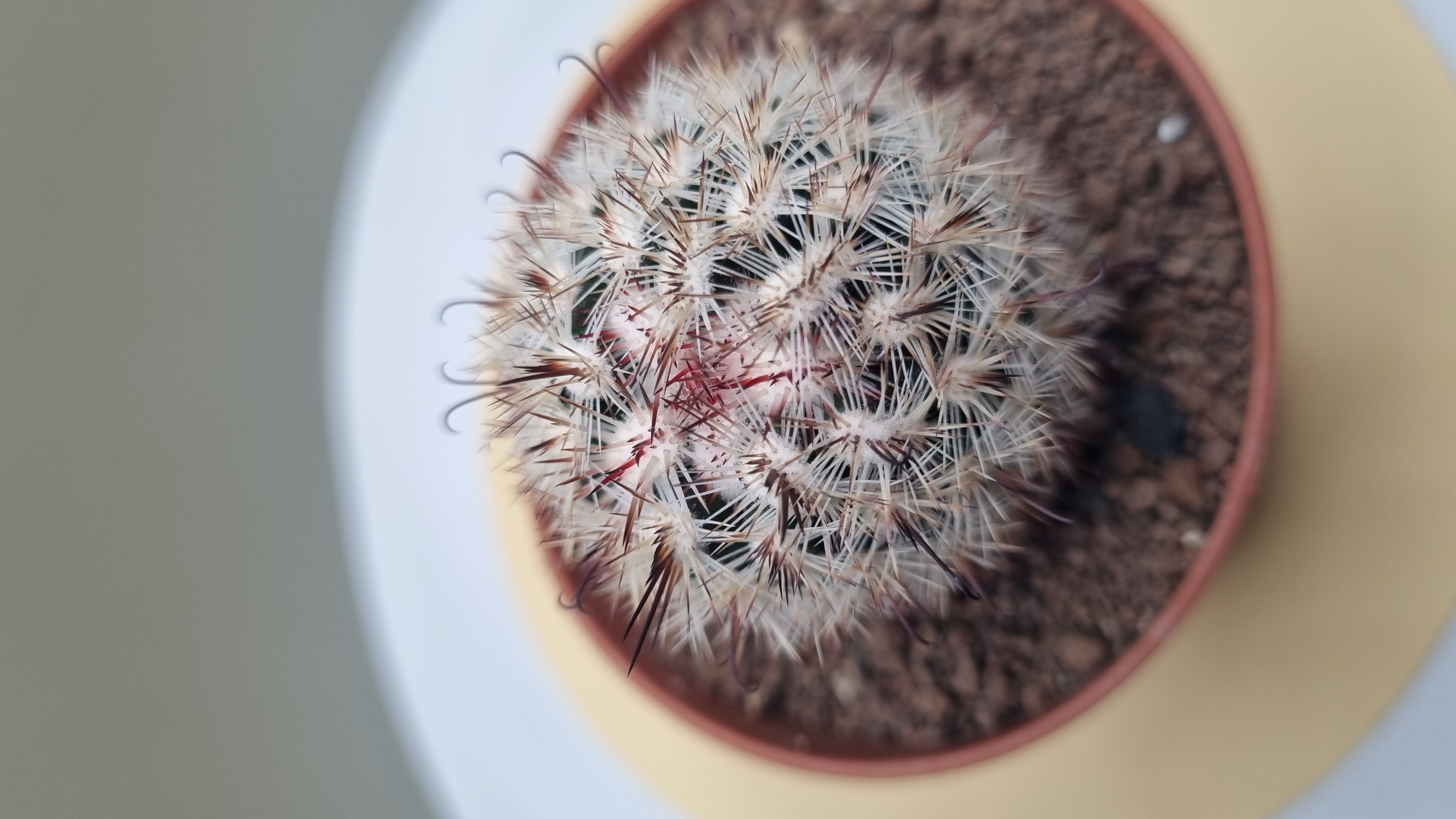
What keeps drawing my eye is the way the cluster holds together without becoming symmetrical. Each head repeats its own geometry of tubercles and spines. On a close look, the central spines cross; that feature is so characteristic that the Mexican common name is translated as “biznaga with cross-shaped spines.” I want to watch how this particular cluster changes: whether it makes new heads, how it flowers, and whether the older stems keep their shape.
The species has a much longer paper trail. Kew records an 1829 publication date, while IPNI explains the distinction: the 1829 mention was not validly published, and cites Martius’s formal description in 1832. Martius attributed the Mexican material to Wilhelm Friedrich von Karwinski. The surviving record gives only “Mexico” rather than a precise collecting locality, and IPNI notes that the type material is lost. So the formal description is the earliest trace we can follow—not a reliably documented account of the exact place or moment Karwinski first found it.
Is it protected? Yes. Mexico’s NOM-059 lists the species as endemic and “Pr” (subject to special protection). The IUCN assessment classifies it as Endangered, and Mammillaria is included in CITES Appendix II, which regulates international trade rather than imposing a blanket ban. Those are species-level protections; they do not tell us where this cultivated plant was originally raised. Its documented journey, for now, starts in 2026 at Grossi Francesco Floricola.