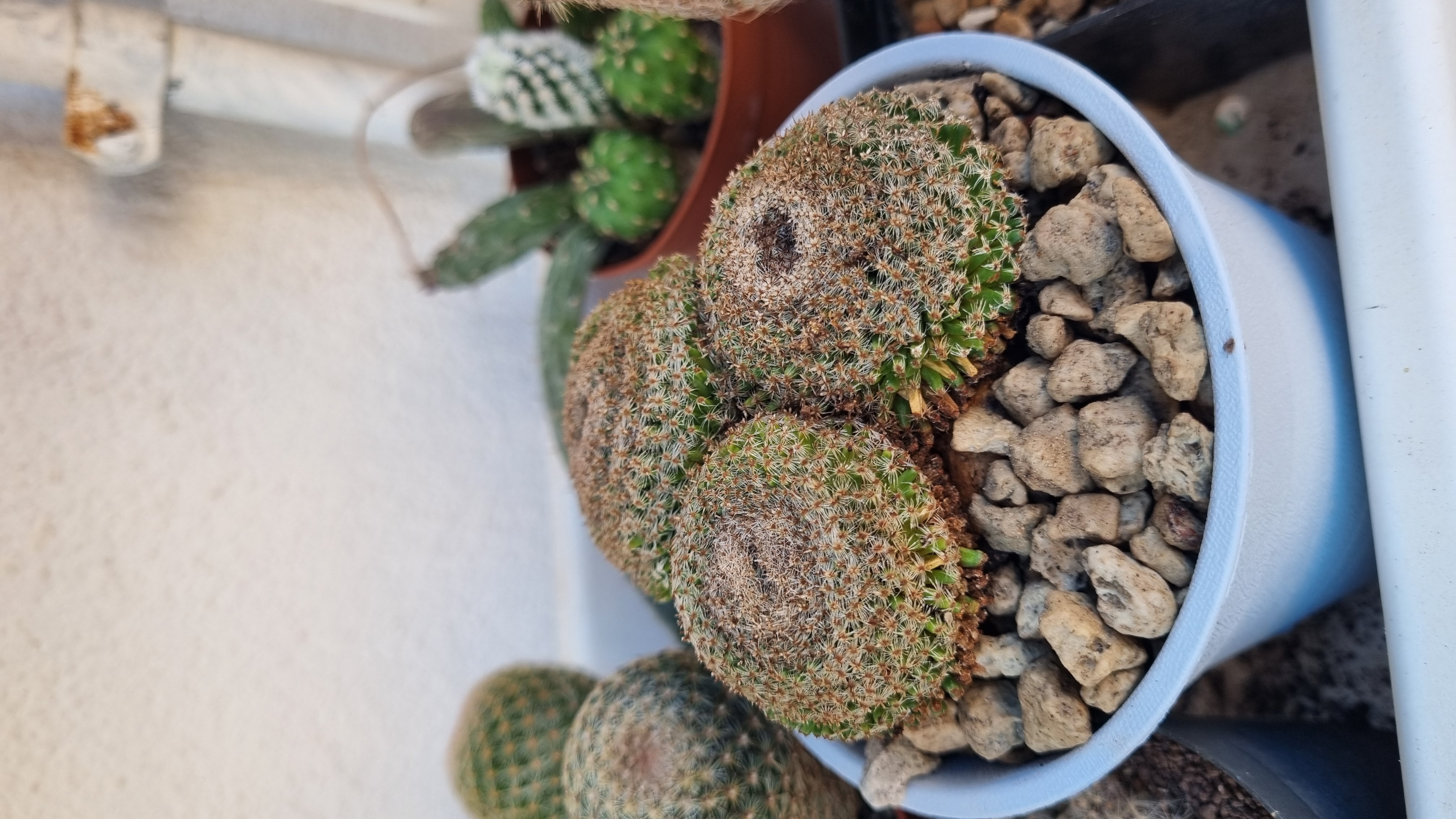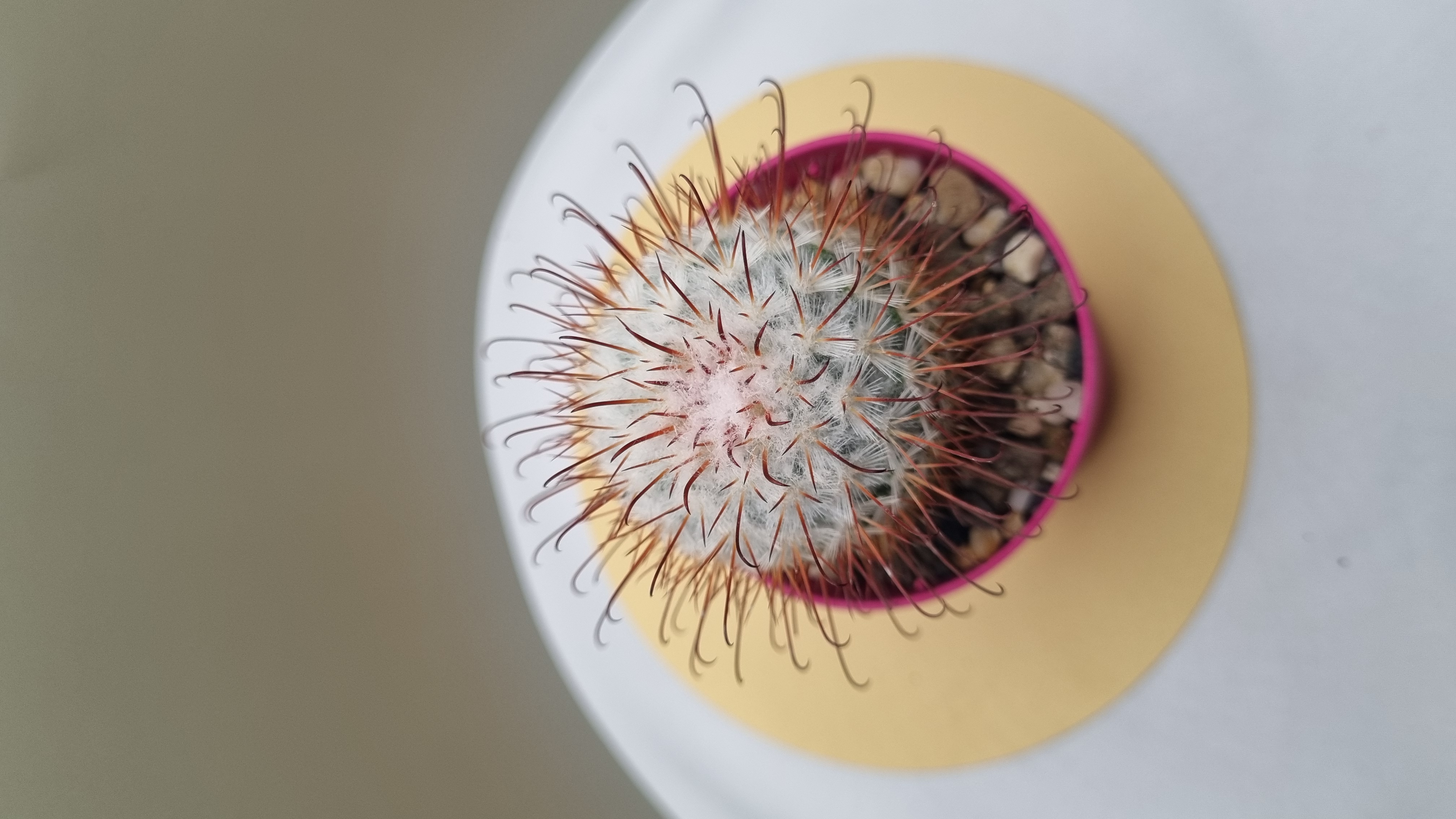
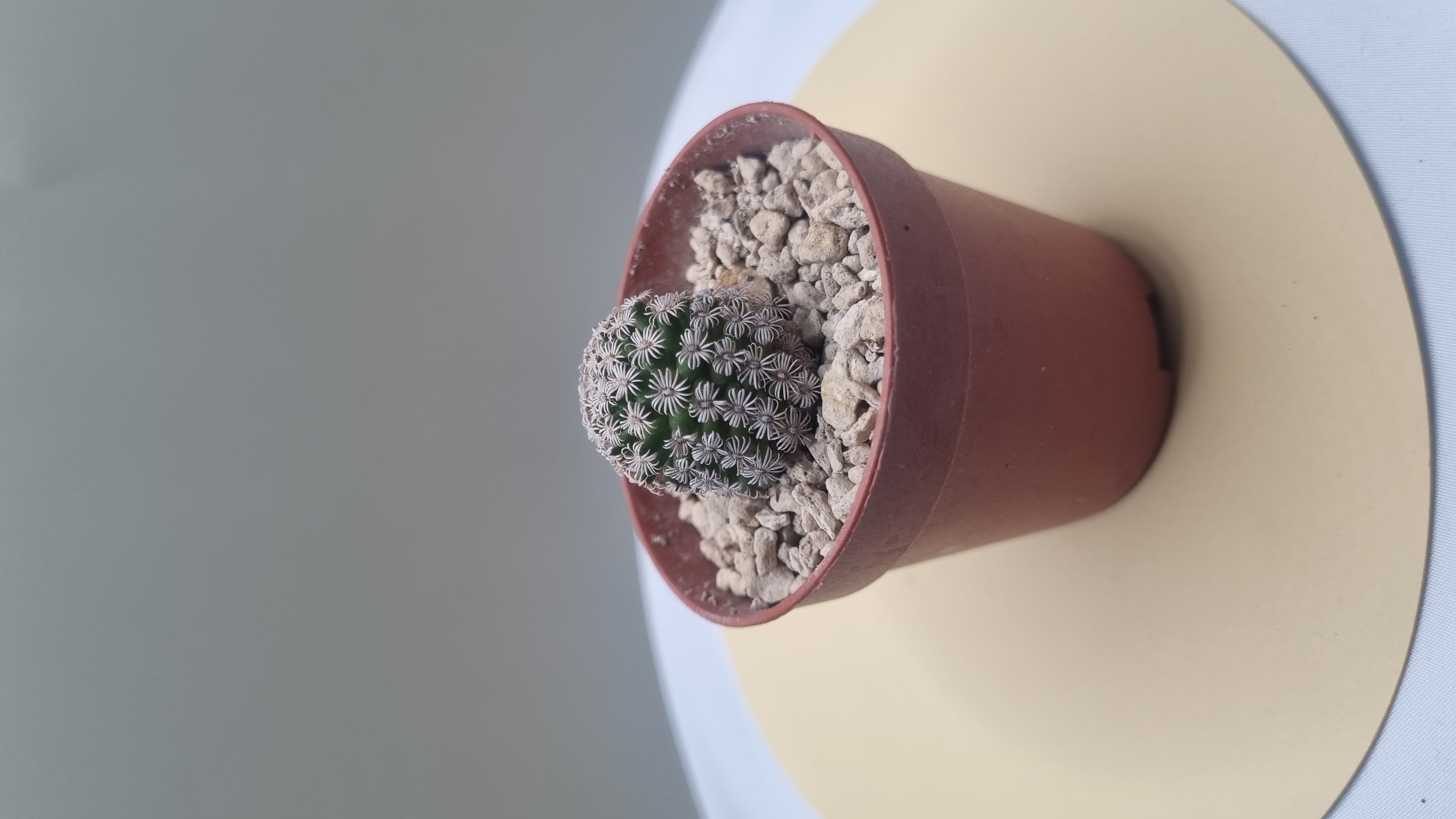
Known in the Mixteca.
Named in 1983.
People in Oaxaca knew this tiny cactus before it appeared in a botanical journal. The name honours Eulalio Hernández, who brought it to the attention of botanists.
In 1978, cactus collectors Felipe Otero and his nephew Eulalio Hernández came across the plant in Oaxaca’s Mixteca Alta. Local people already knew it as biznaguita, a broad name used for many small cacti, not one unique to this species. Otero and Hernández sent material to Charles Glass; in 1983, Glass and Robert Foster described the species and named it for Hernández.
UNAM records the plant around Concepción Buenavista, at roughly 2,000–2,300 metres, in open rocky ground among oak woodland. It grows so low that most of the stem sits below the surface. The exposed soil can be less than five centimetres deep, with rock underneath. In October and November, the flower opens above it and can almost cover the whole cactus. UNAM’s account of the species and its habitat describes that striking contrast.
Its seeds have an unusual timetable. The fruit develops inside the lower part of the stem. Some seeds are released with the early summer rains; others stay in the parent plant for another year. A field study found that the retained seeds go through wet-and-dry cycles and are more ready to germinate when rain finally triggers their release. The study in the American Journal of Botany follows this process in detail.
The species has a very small known range and a difficult conservation history. A 2013 UNAM report described habitat damage from collecting, grazing and road construction, alongside a community-supported project that fenced vulnerable sites. Kew cites the IUCN assessment of Mammillaria hernandezii as Endangered. These are facts about the wild species; they do not tell us where this cultivated plant was grown.
I acquired this specimen at Festa del Cactus in Bologna in 2025. That is where its record in my collection begins. I do not have its original nursery or growing history, so I leave that part open.