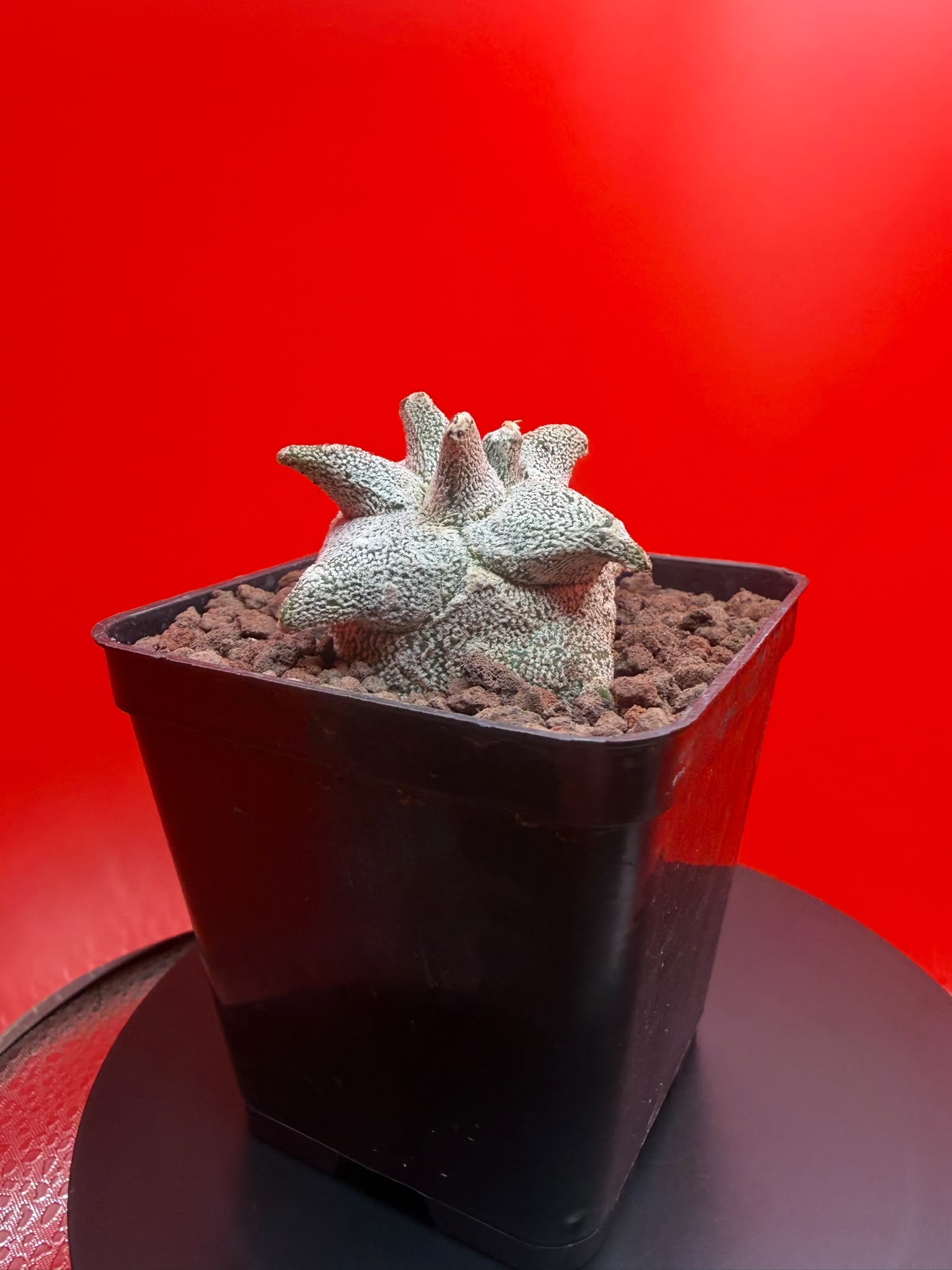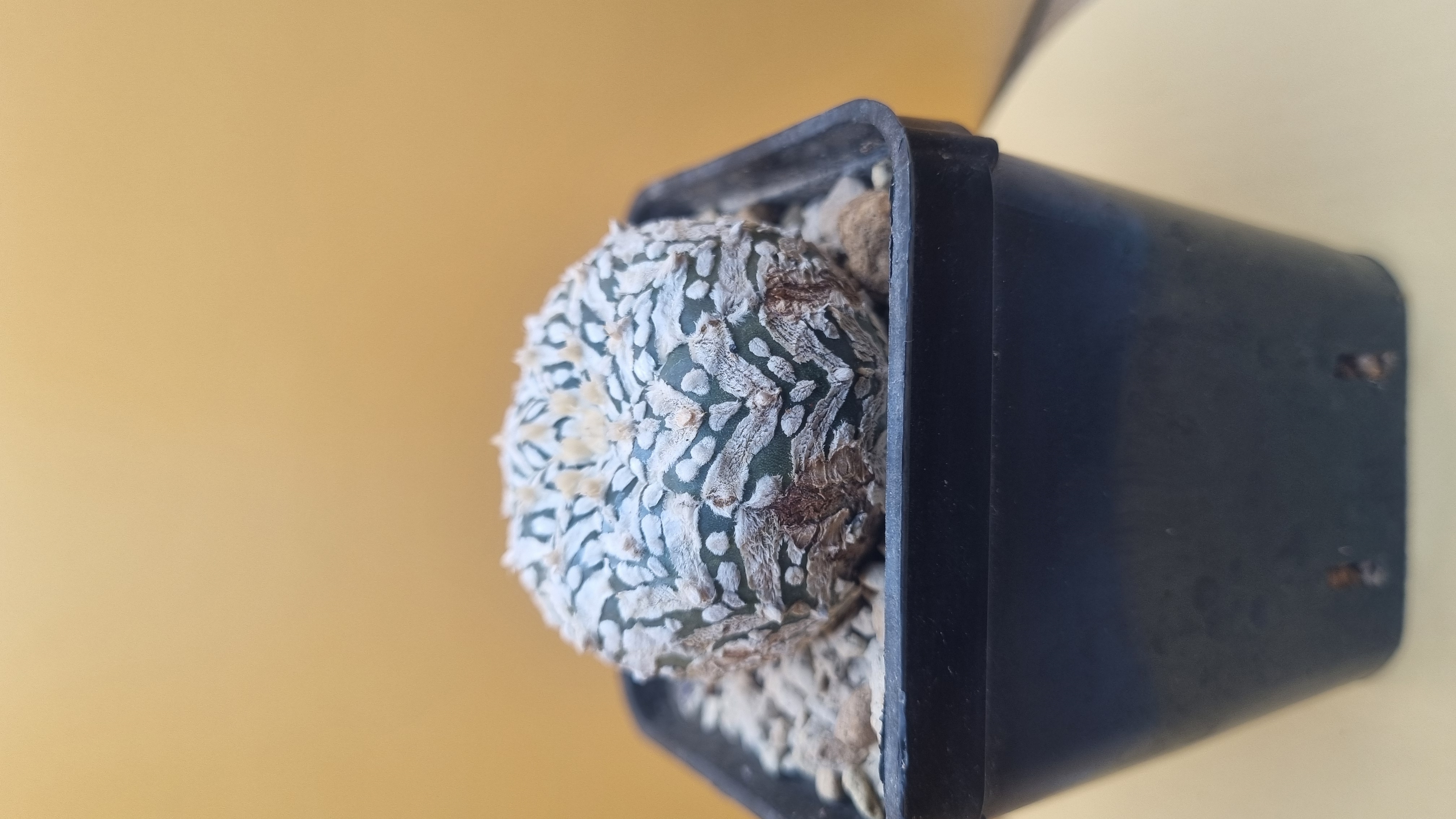
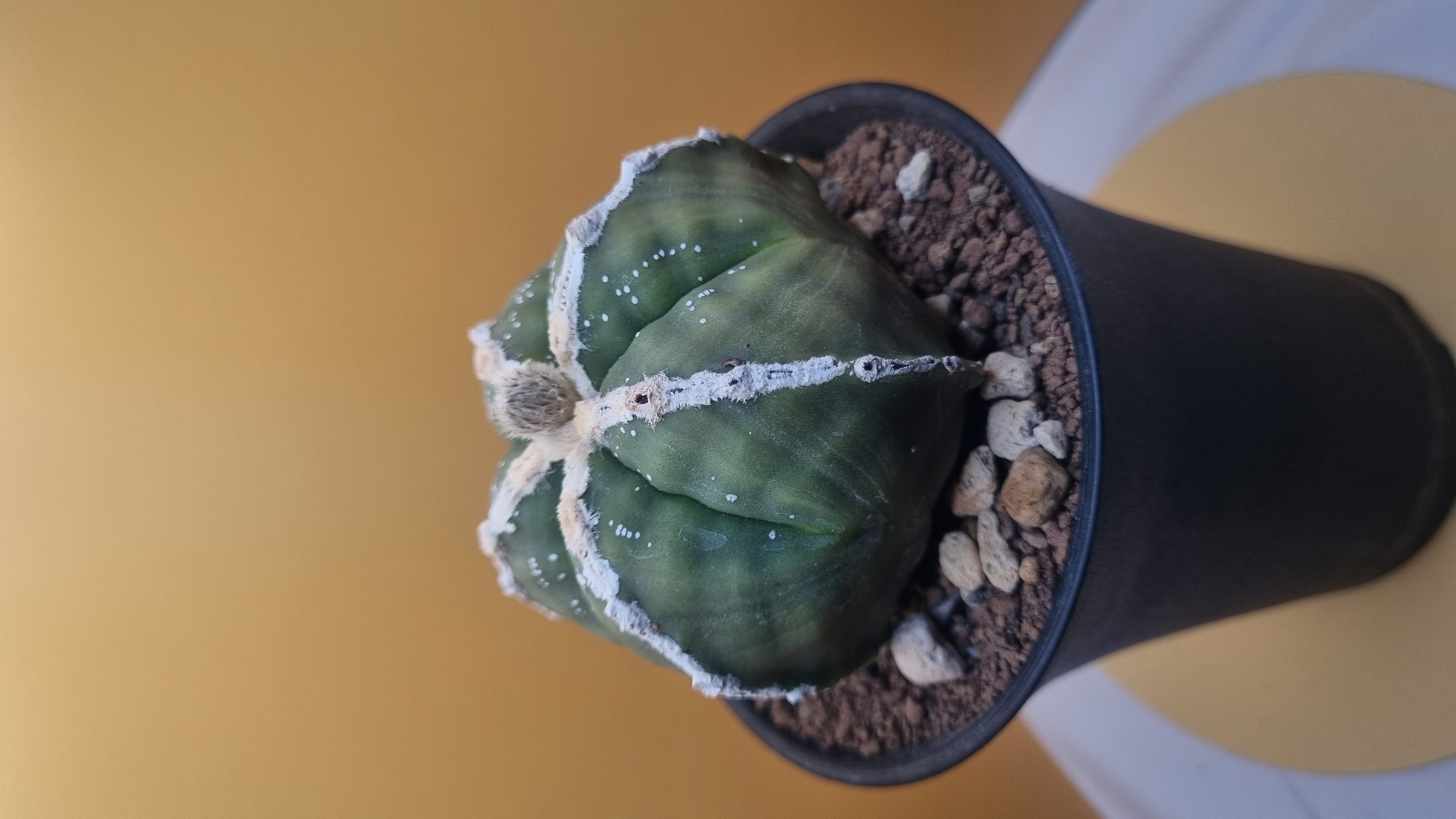
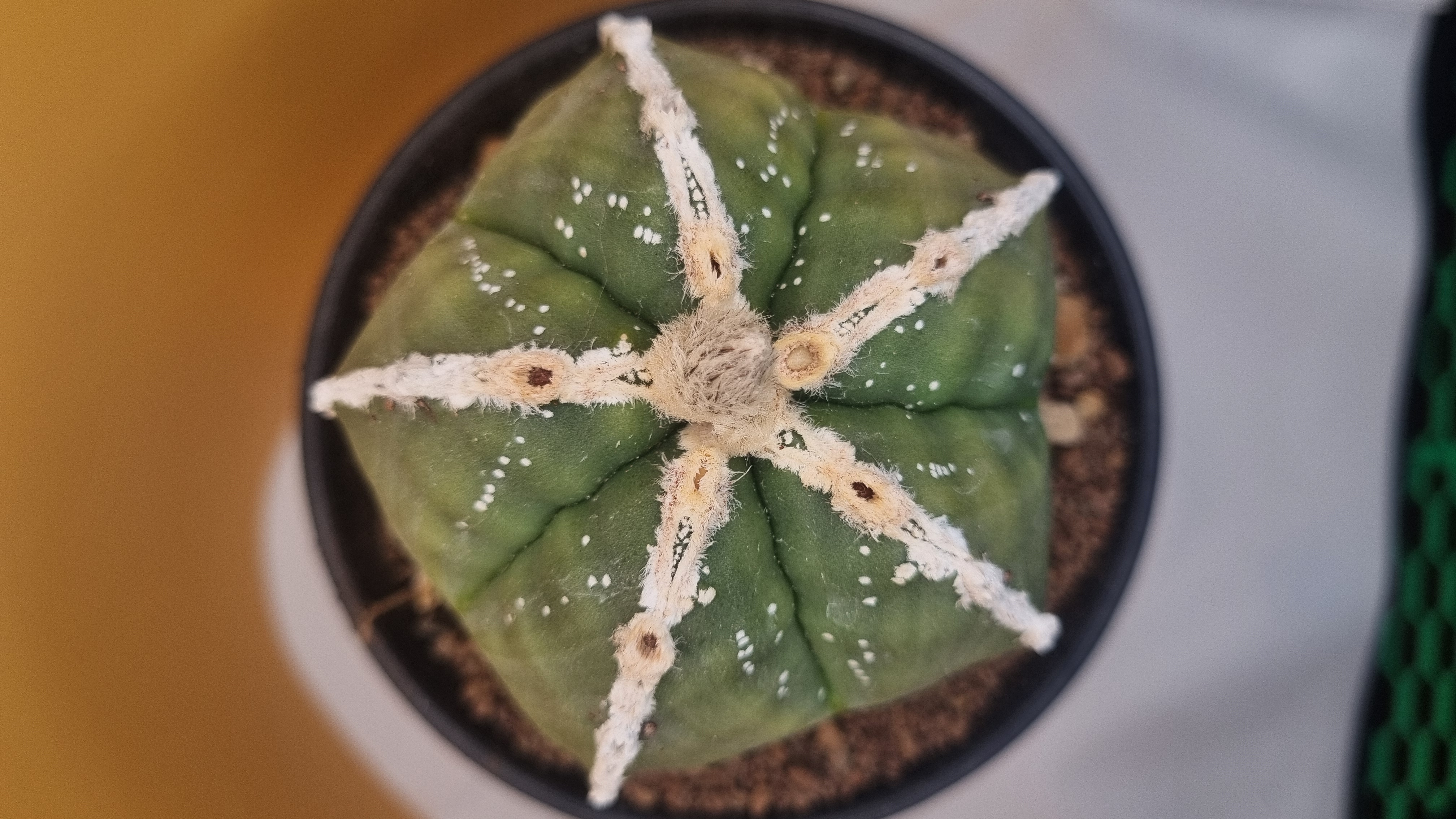
A Super Kabuto selection in which the white trichomes organise into recognisable V-shaped or chevron-like marks. The pattern is a horticultural form within the asterias group, not a separate species.
CollectionPL-006
Astrophytum · Owner specimen
Pattern studyV / type
V-Shape Super Kabuto
Astrophytum asterias ‘Super Kabuto’ V-type
A green Astrophytum asterias with white trichomes arranged in a directional V-shaped pattern across its ribs.
- Recorded origin
- Garden origin · selected Asian horticultural lineage
- Record state
- Corrected cultivar record
Species background
Form follows
survival.
This specimen is about direction. Instead of spreading evenly across the body, the white trichomes gather into angular marks that point through the rib structure. The V-shape gives the plant a graphic rhythm: part star, part chevron, part living map of how a cultivated pattern can refine over time.
Curator’s identification
Read the
pattern.
Astrophytum asterias ‘Super Kabuto’ V-type — V-shape / Fly’s Wings form
Garden origin; V-type forms are associated with Asian horticultural selection, especially Japanese and Thai collector culture. The wild locality of this individual is not established.
This is the collection’s graphic, directional form: it makes the relationship between trichome pattern and rib geometry immediately visible, and gives us a strong comparison with Snow Type, Star Type and other Super Kabuto expressions.
Observation points
Signature
White markings gather into V-shaped directions that echo the star-like rib architecture.
Body
The spineless, low-domed body and patterned trichomes fit the cultivated A. asterias Super Kabuto group.
Pattern
V-type markings can become more structured and pronounced as the plant matures.
Collection value
It is a study in movement across a static body: the eye follows the chevrons from areole to rib and back to the centre.
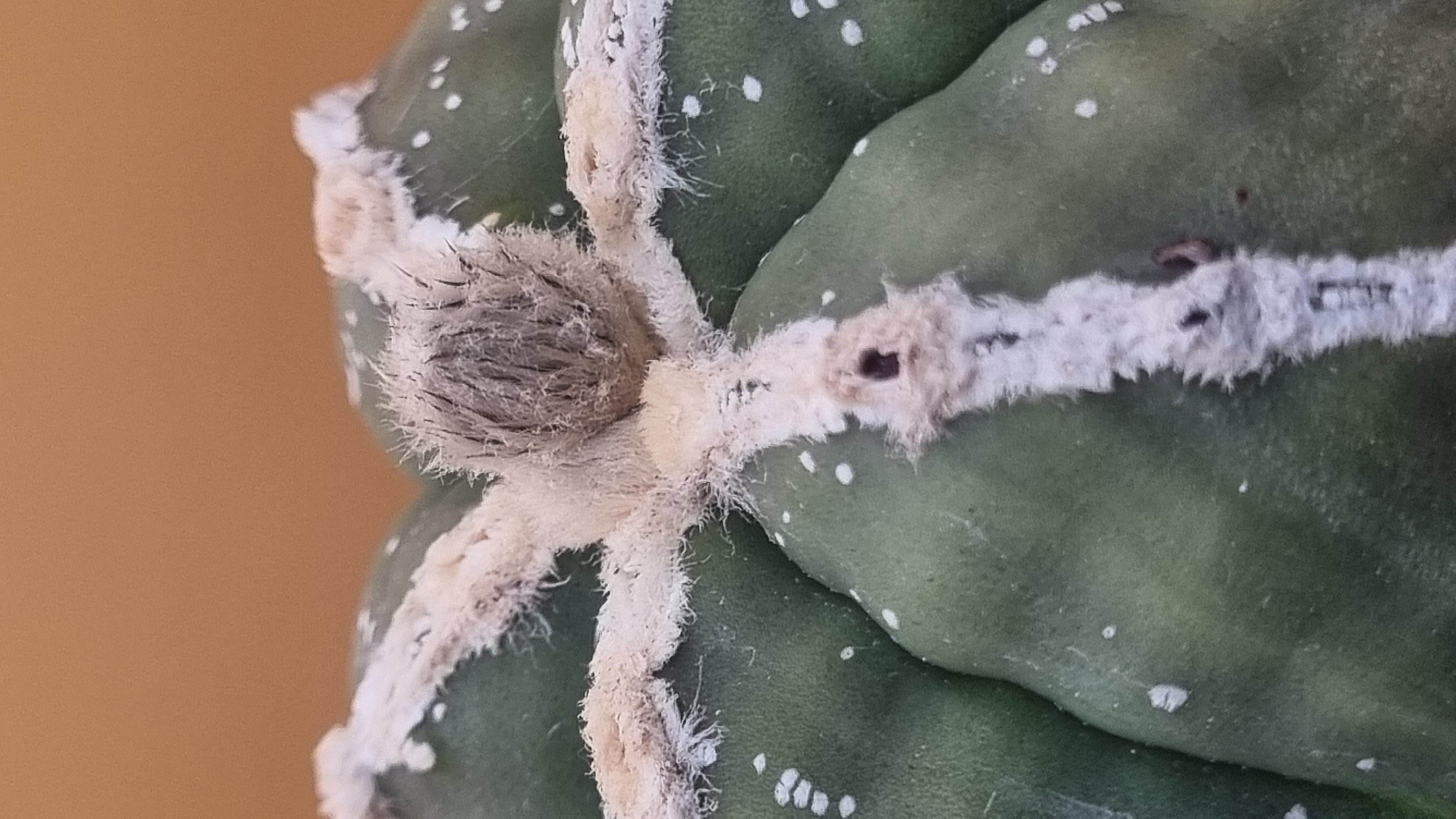
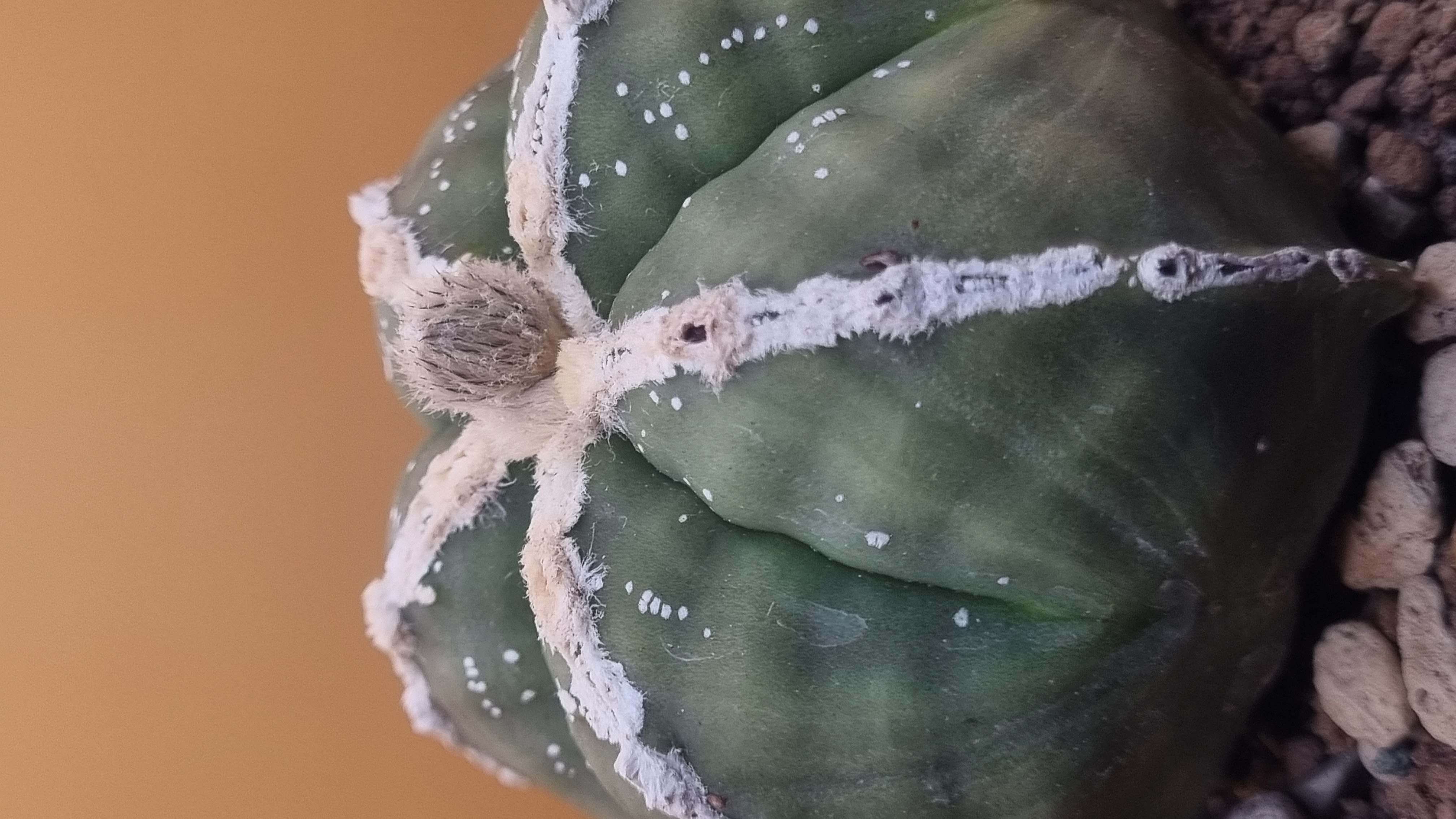
Owner photographs
Snow in
six views.
The first visual record of this specimen, kept close to the identification so its pattern can be followed as the plant grows.
Cultivation summary
A measured rhythm.
- 01 / Light
- Bright light with gradual acclimation and protection from abrupt temperature changes
- 02 / Water
- Water only after the mineral substrate has fully dried; observe a dry cool-season rest
- 03 / Substrate
- Open mineral mix with excellent drainage and steady airflow
Starting cultivation notes for this living record. Dated observations will be added as the plant is followed over time.
Image source
Hero image refined from the owner’s photograph; original views remain in the gallery.
Continue exploring