
A comparative collection note
The Kikko
family.
One name, three species-level expressions. In Plantastic, Kikko is not a single look: it is a way of reading how cultivation redraws the ribs of different Astrophytum.
Three plants · one conversation
Meet the
different Kikkos.
Each card now opens its own owner-photographed record. The catalogue keeps the names separate, preserves the distinction between species, and never assigns one plant’s image to another.
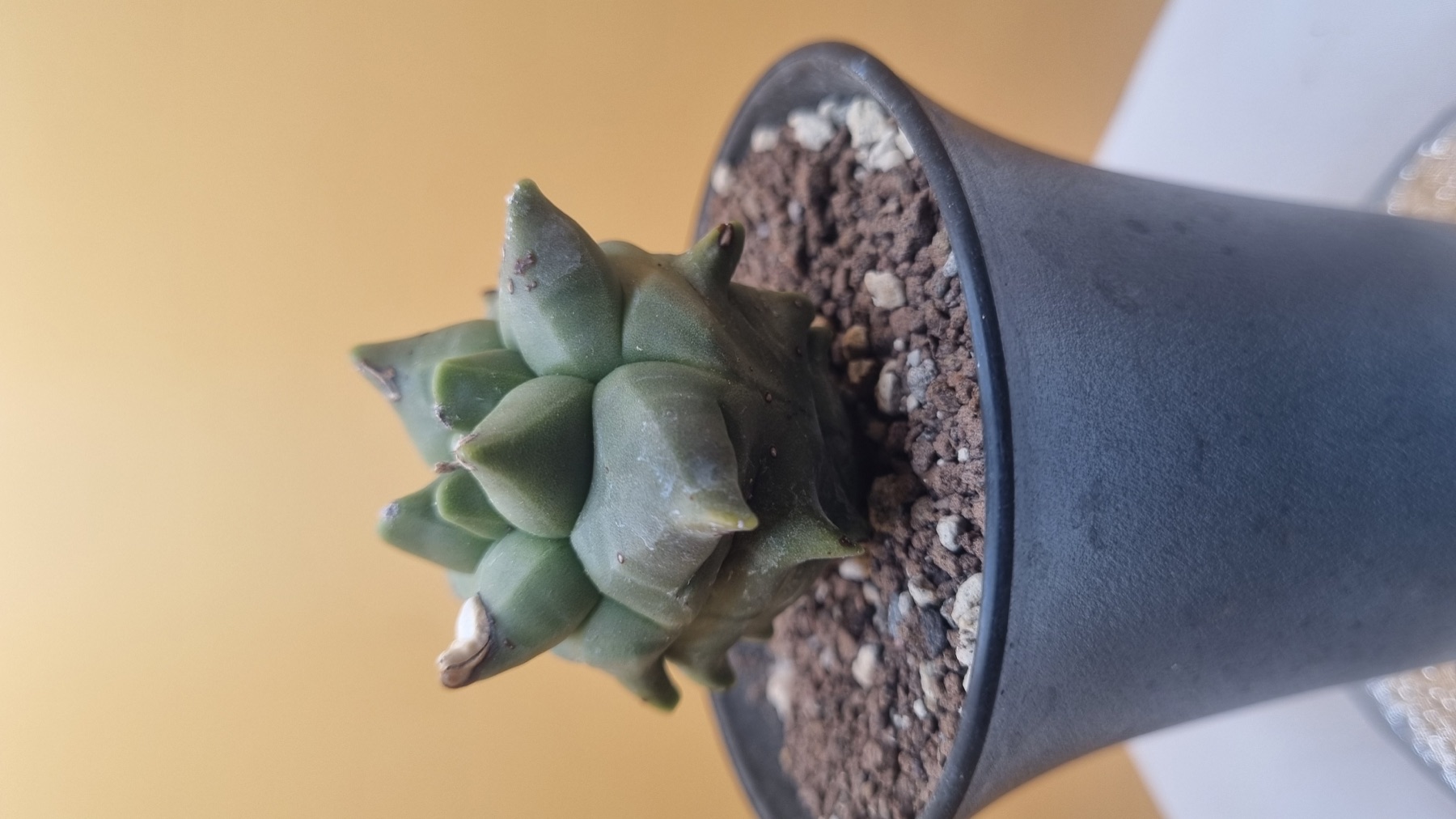
Kikko
Astrophytum myriostigmaA sculptural myriostigma whose rib margins break into angular, tortoise-shell-like tubercles.
Open plant record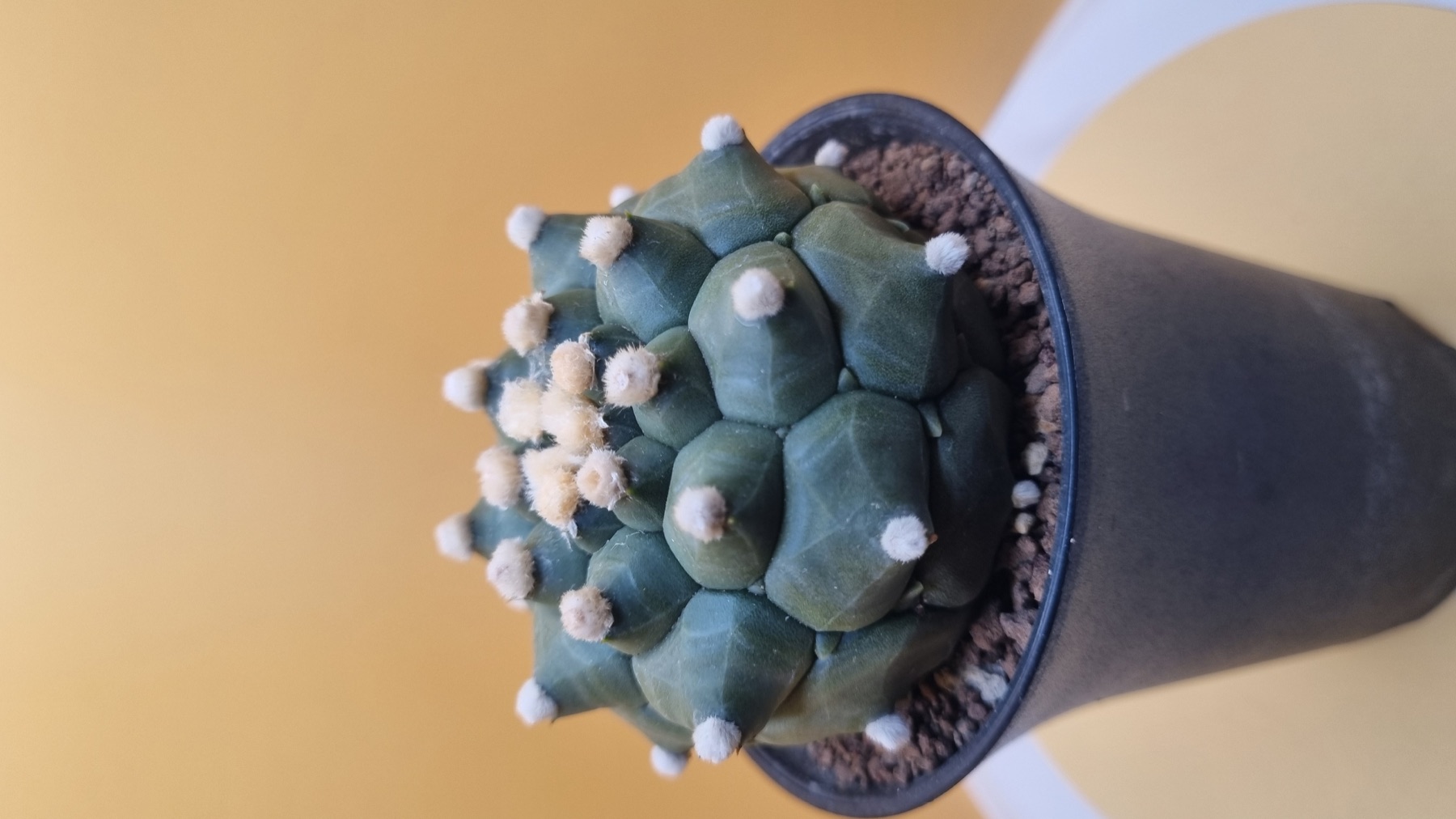
Kikko Nudum
Astrophytum asteriasThe nudum expression of asterias: a rounded body, shell-like surface and little or no normal white flecking across the epidermis.
Open plant record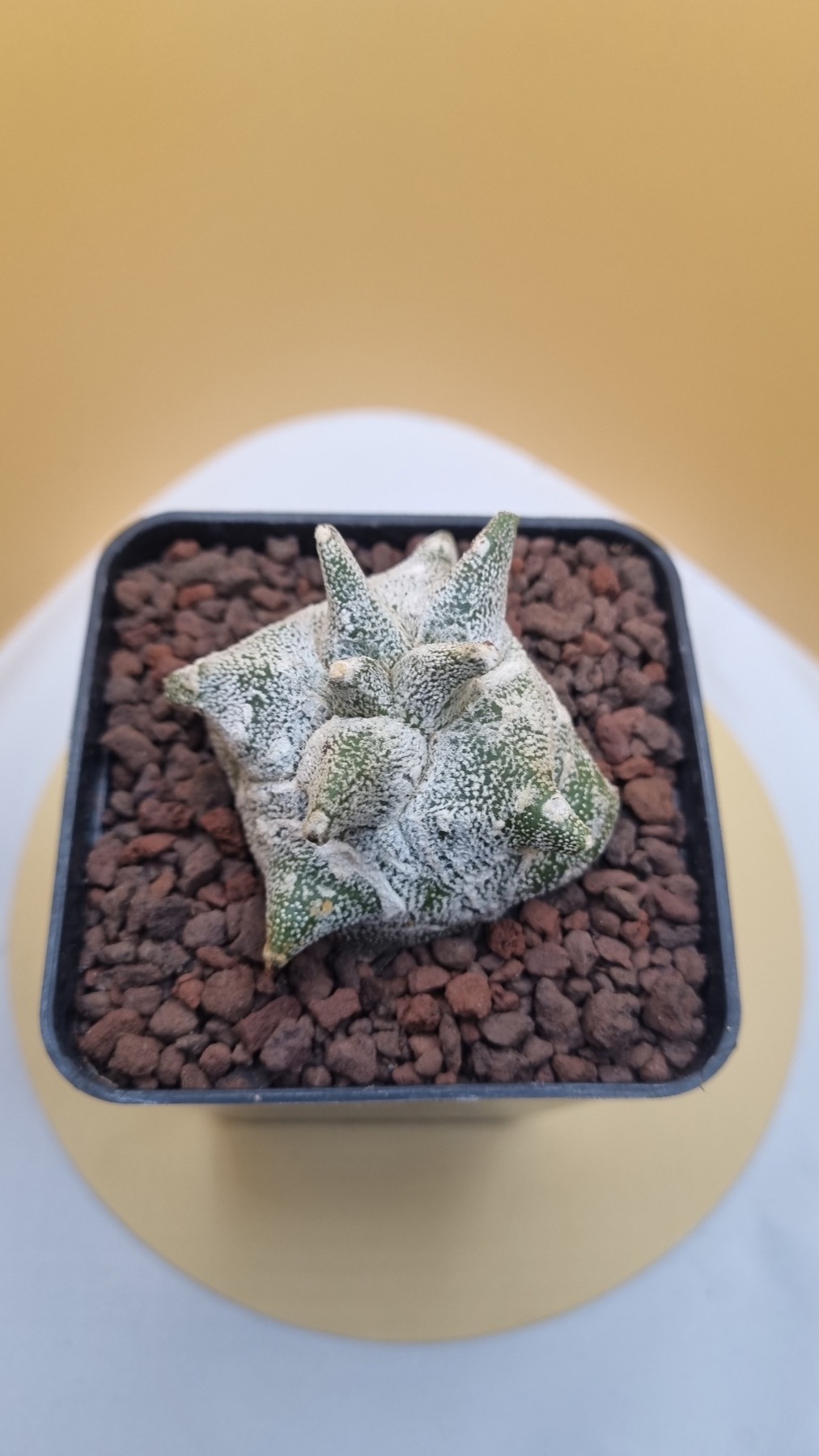
Hakuran Kikko
Astrophytum coahuilenseThe Coahuilense Kikko known for wide, long and pointed tubercles along the rib edges—a very different silhouette from the rounded asterias form.
Open plant recordNearby records
Read the wider
Astrophytum language.
These are not Kikkos, but they belong in the same conversation: pattern, rib count and silhouette are all ways cultivation changes how a species is seen.
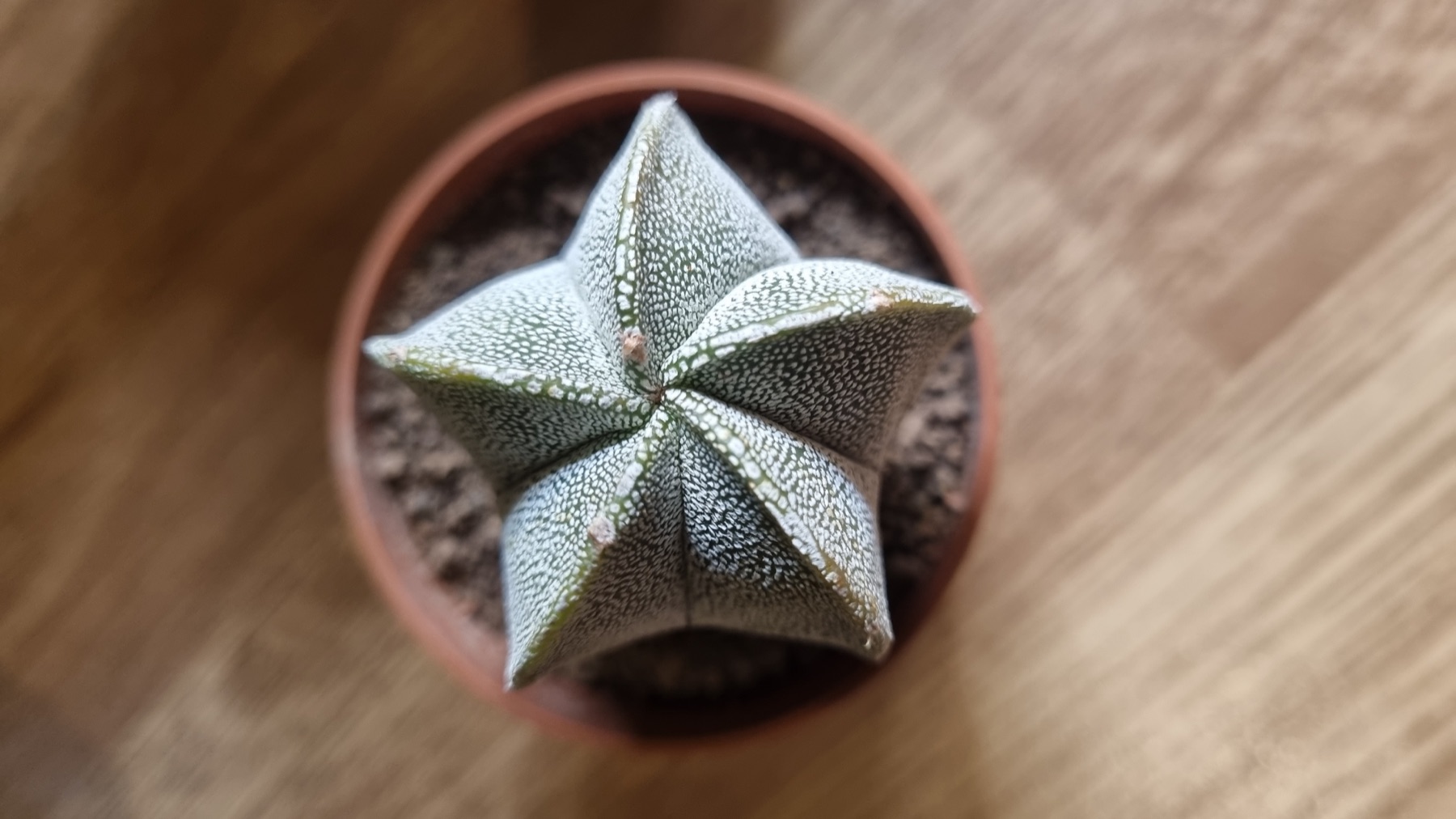
Onzuka
Astrophytum myriostigmaA named pattern line: white flecks gather into a constellation across the body rather than into raised relief.
Open plant record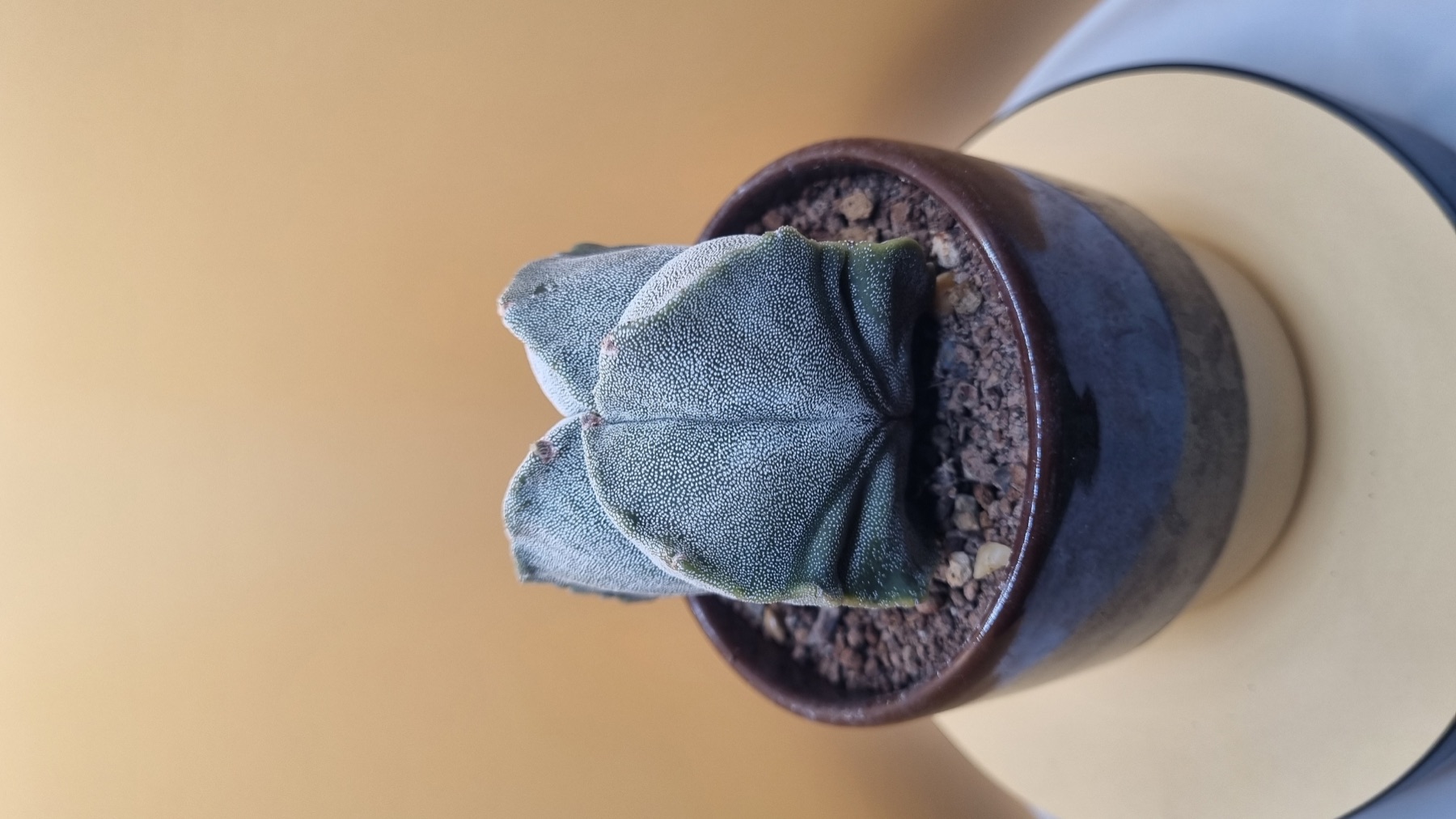
Quadricostatum
Astrophytum coahuilenseA four-ribbed form that changes the crown plan by subtraction and makes the radial architecture unusually clear.
Open plant record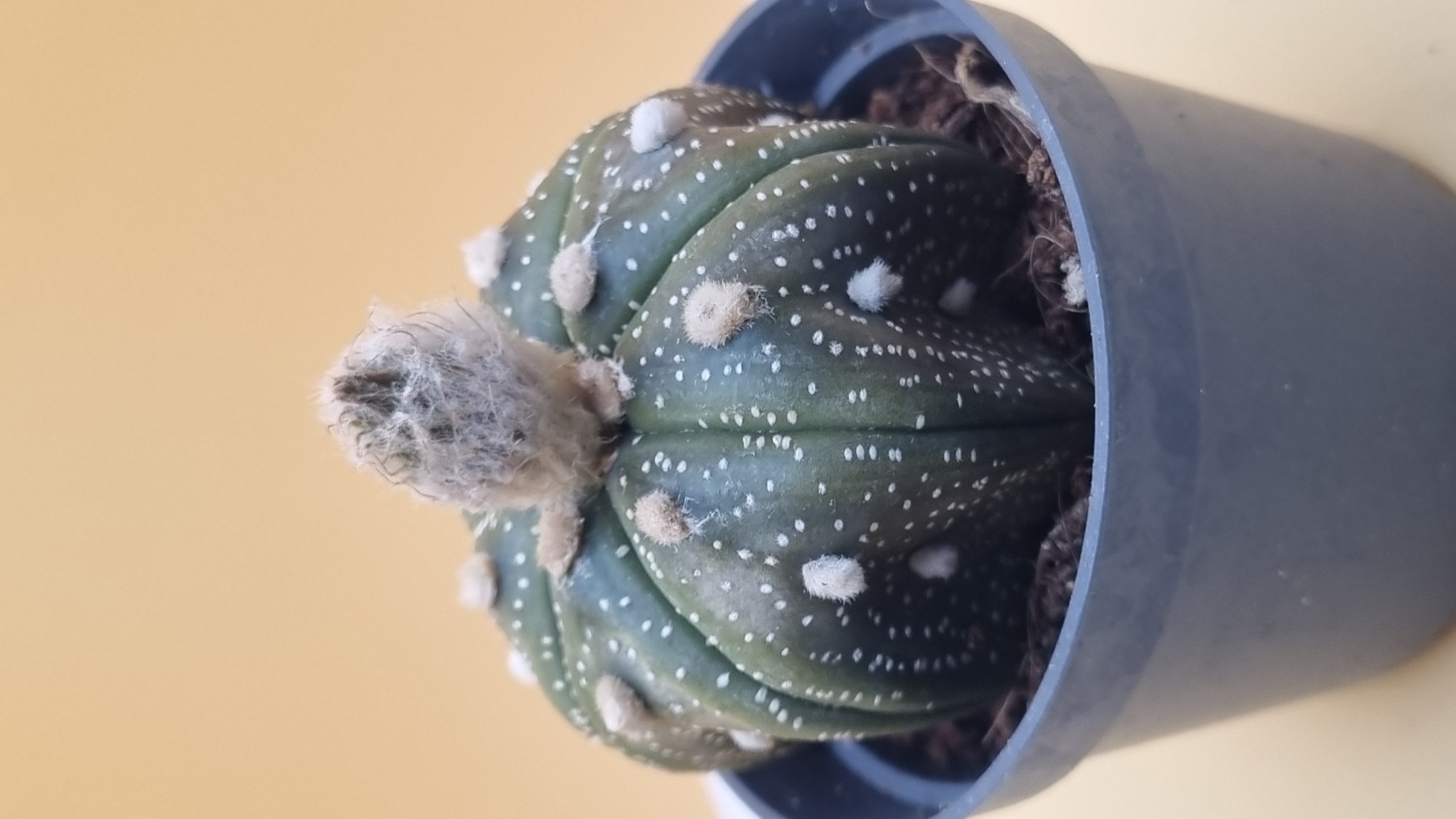
Starshape Nudum
Astrophytum asteriasA separate folder and record for asterias nudum Starshape—kept distinct from the Super Kabuto Star Shape plant.
Open plant recordHow to tell them apart
Same idea.
Different body.
| Form | Surface | Collector’s clue |
|---|---|---|
| A. myriostigma Kikko | Angular tubercles that give the ribs a faceted, shell-like relief. | Depth, repetition and balance across the whole body. |
| A. asterias Kikko Nudum | Rounded asterias body with Kikko relief and reduced or absent white flecking. | Green ground, nudum epidermis and an even top-view pattern. |
| A. coahuilense Hakuran Kikko | Wide, long, pointed tubercles projecting along the rib margins. | The size and stiffness of the “teeth”; Hakuran is often treated as the most dramatic rib-edge form. |
Naming note
Keep the species
in the name.
Japanese specialist listings use Kikko or 亀甲 across more than one Astrophytum species. “Nudum” describes the reduced-fleck surface of a plant such as Asterias Kikko Nudum; “Hakuran” belongs here as the named Coahuilense expression. The shared word points to a surface idea, not a botanical identity.
The 1981 attribution for Hakuran to Mr. Narita of Aichi is recorded by LLIFLE as a secondary historical reference. It will remain labelled that way until an original Japanese nursery or collector record is added.